It was December 2022.
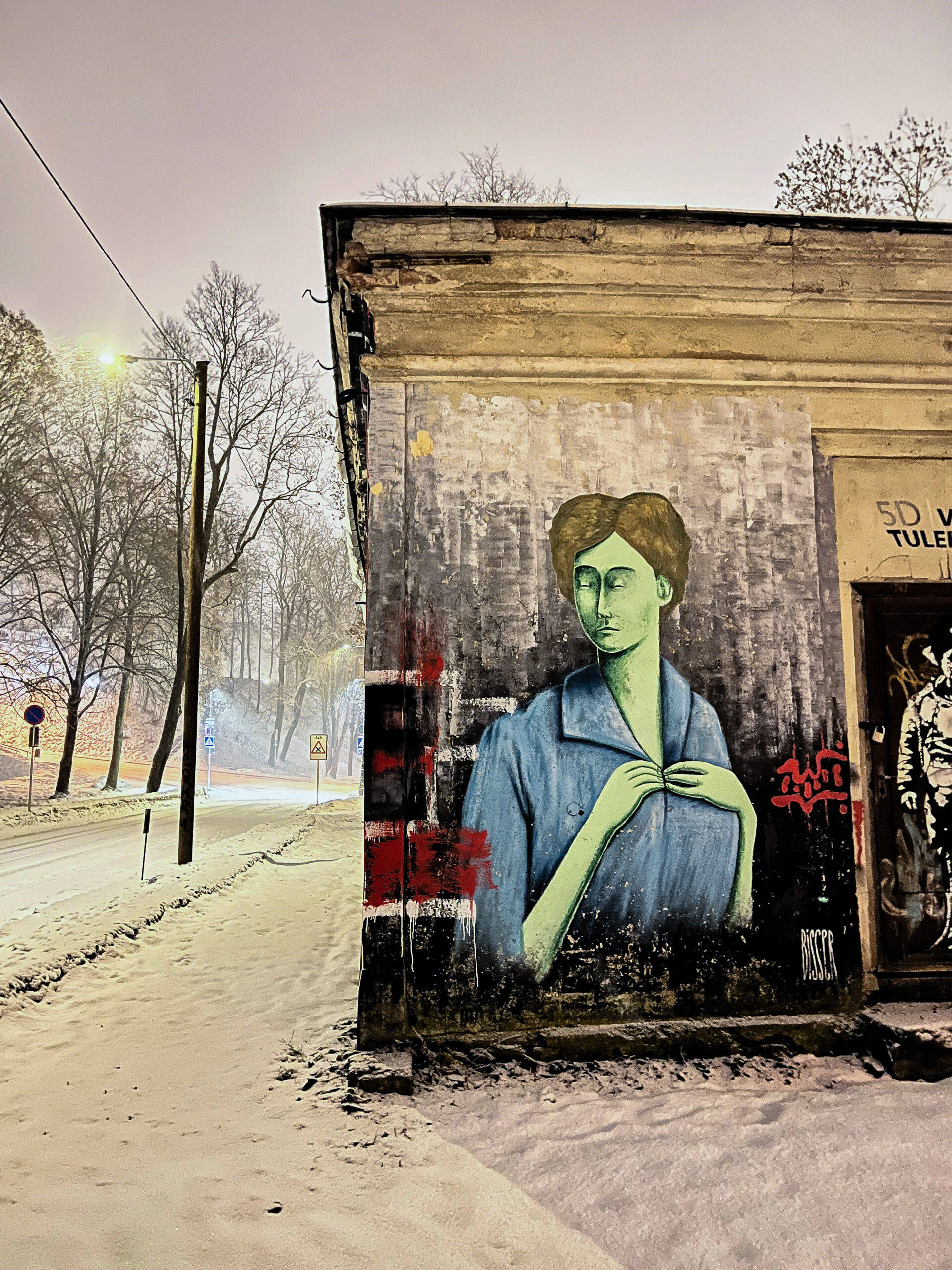
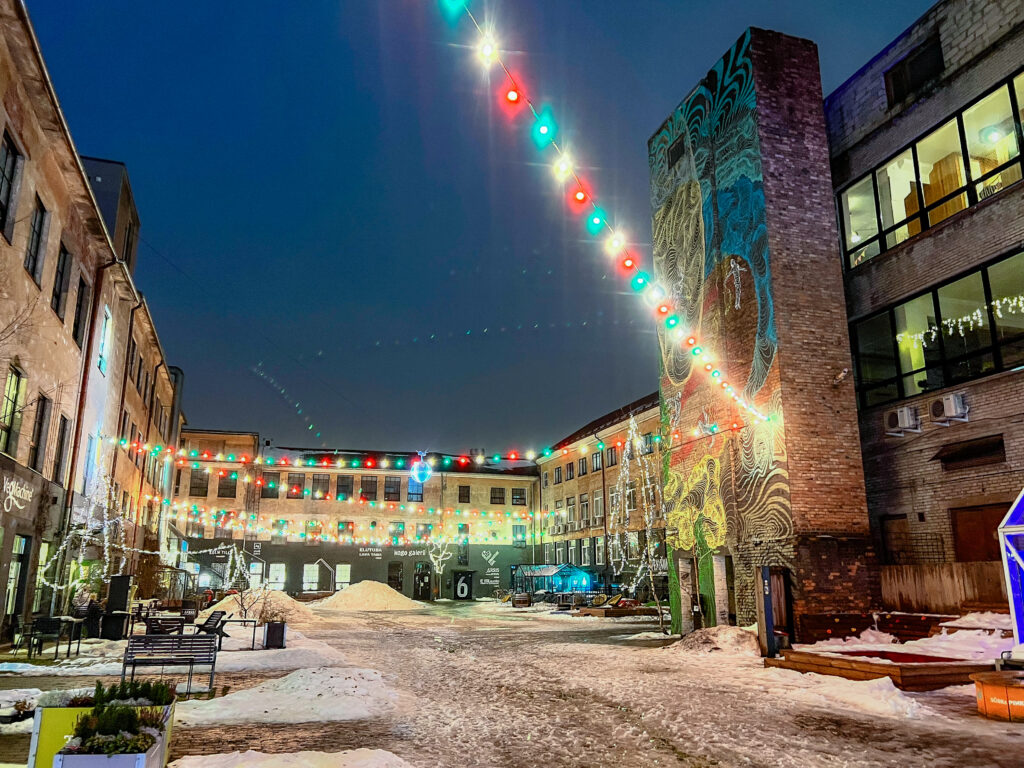
It had just started snowing outside as I was settling into the lounge sofa with my co-volunteers, trying to figure out what my “plan” for the day should be — as if there was one.
That’s when an Estonian guy with a strangely motivated face and a half-drunken gait walked up to us. He said something rapid in Estonian and gestured for us to follow him.
The receptionist translated:
“He wants you to go watch Avatar 2 in the cinema with him.”
The others laughed it off, as any normal person would. But sensing an adventure, I raised my hand —
“Yes sir, at your service.”
So there I was, walking through a snowy Tartu beside a drunk man I couldn’t talk to, off to see Avatar 2. I tried to ask what he did for a living using Google Translate. He pointed at a random house and said something in Estonian. When I handed him the phone, he typed a single word: “Trees.”
I looked at the house again — it had no trees.
As we waited for the taxi, the snow piling quietly around us, I caught myself drifting inward.
What am I doing here?
The question wasn’t new, but the silence that followed it was.
I had always been doing something.
And when I wasn’t, I was already thinking about the next thing —
a non-stop circus of motion, full of sound, full of purpose, and somehow, completely empty.
And just like that, always doing things, always chasing the next achievement — I had a burnout.
It was painful, of course. But when the fog cleared, for the first time in years, I heard a faint voice inside — one I had buried under deadlines, noise, and ambition.
It told me to go back to the things that once brought me joy.
I had ignored that voice for as long as I could remember.
But now, stripped of plans and purpose, I finally listened.
What the hell, I thought. What’s the worst that could happen?
And that’s how I ended up in Tartu — a small, quiet town far from everything I used to call important — volunteering at a hostel for three weeks: cleaning rooms, hanging out with guests and co-volunteers, and, on one particularly strange day, following a drunk Estonian stranger to the cinema.
When we reached the cinema, the next show wasn’t for another couple of hours.
Given the situation — me and this half-drunk stranger with no shared language — we had to improvise.
We wandered into an arcade nearby and ended up playing table soccer. We couldn’t talk, but somehow we communicated very well — laughing, teasing, celebrating every goal. It was easy, almost joyful.
But in between the laughter, I started noticing things that didn’t quite fit your average drunk act. He threw money around carelessly, buying random shiny things. He’d step out for a smoke, take just a few puffs, and then stub it out mid-air, distracted. There was something erratic, restless about him — like he was trying to fill some unseen void.
When it was finally time for the movie, we stopped by a supermarket. He grabbed a bottle of wine without hesitation. Interesting, I thought.
Soon enough, we were settled in. The lights dimmed, and the movie started.
He opened his wine bottle like it was popcorn.
With every sip, he’d turn to me and talk — first trying to help me understand with gestures, then eventually giving up and unleashing a full storm of Estonian.
The man drained the bottle at an impressive pace, stood up, and left.
Finally, I thought, sinking into the movie. Peace at last.
But it didn’t last long.
About half an hour later, he stumbled back in and dropped into the seat beside me.
I pulled out Google Translate: “Where did you go?”
With a face devoid of emotion, he typed:
“I went and found a place to take a nap.”
I stared at him, trying to process that, as he reached into his jacket and triumphantly produced — of course — another bottle of wine.
Only this time, his enthusiasm wasn’t reserved for me. He turned to the people around us, talking animatedly, and before anyone could stop him, he was on his feet — delivering a full-blown speech, as if the whole cinema had gathered just for him.
People started complaining left, right, and center, and my man was sadly escorted out — this time for good.
With him gone, the only drama left was on the screen.
When the movie finally ended and I walked back through the cold streets toward the hostel, my phone buzzed with a message from my co-volunteers:
“Are you still alive?”
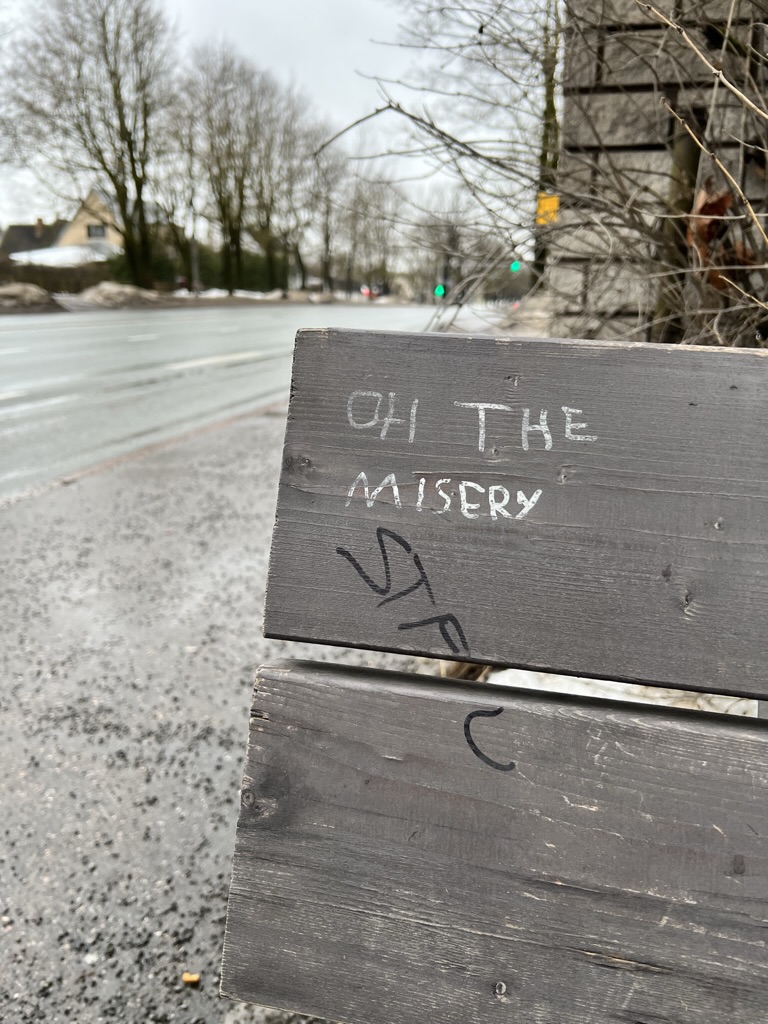
Yes. The misery continues 😅.
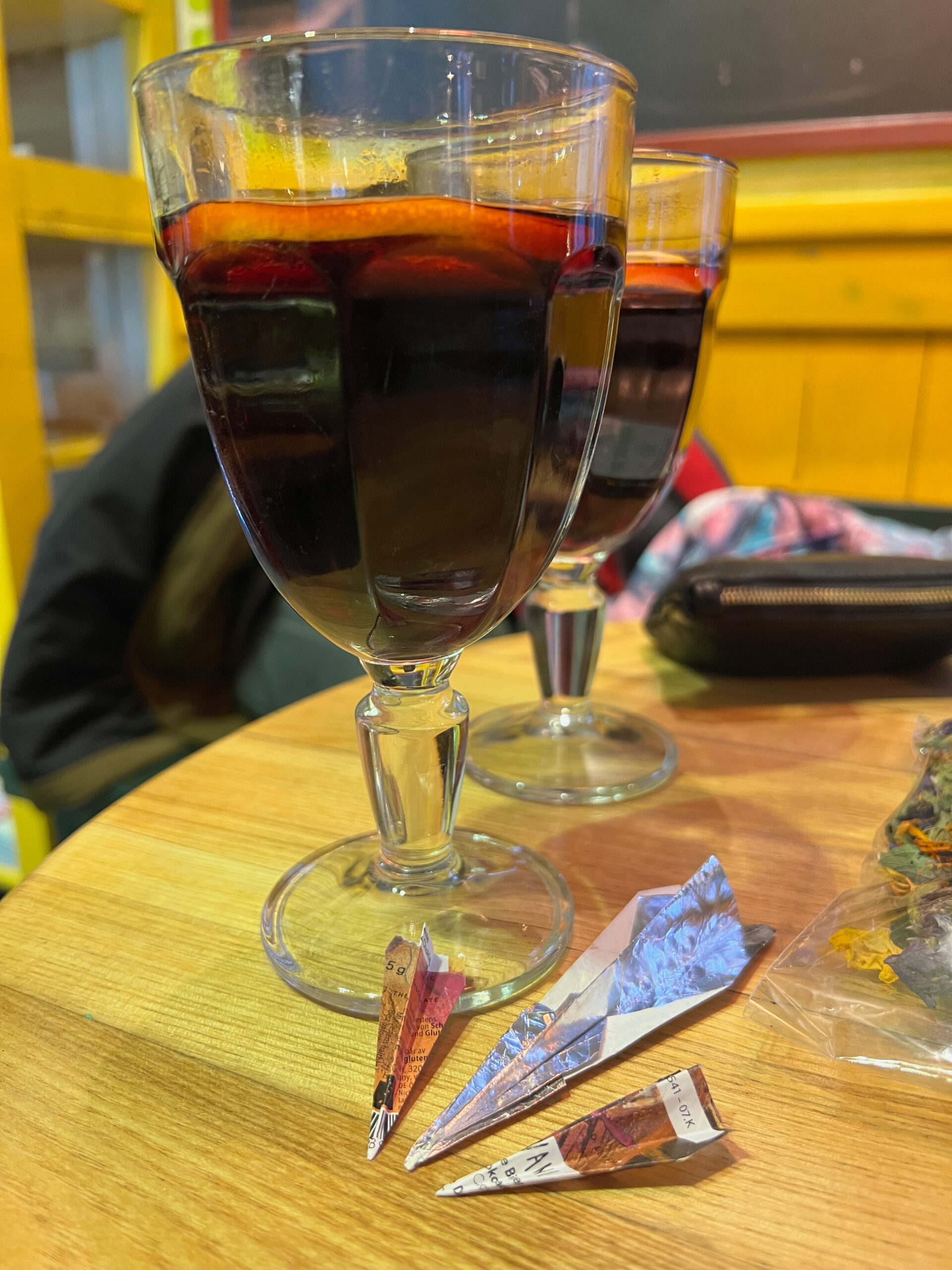
Later that night, we were in the hostel kitchen, sipping hot tea and patching our clothes.
One volunteer tried to mend a hole in their sock but somehow missed the hole entirely.
I, in my usual brilliance, sewed a cool piece of cloth onto my t-shirt — only to realize later it was the letter B from another volunteer’s name tag. Too late by then; it looked good anyway.


And then, like a plot twist nobody expected, my man made his reappearance.
We welcomed him like a gladiator returning from battle — clapping, cheering, half in jest, half in awe that he’d survived the night.
He blushed and gestured that he needed to take a shower.
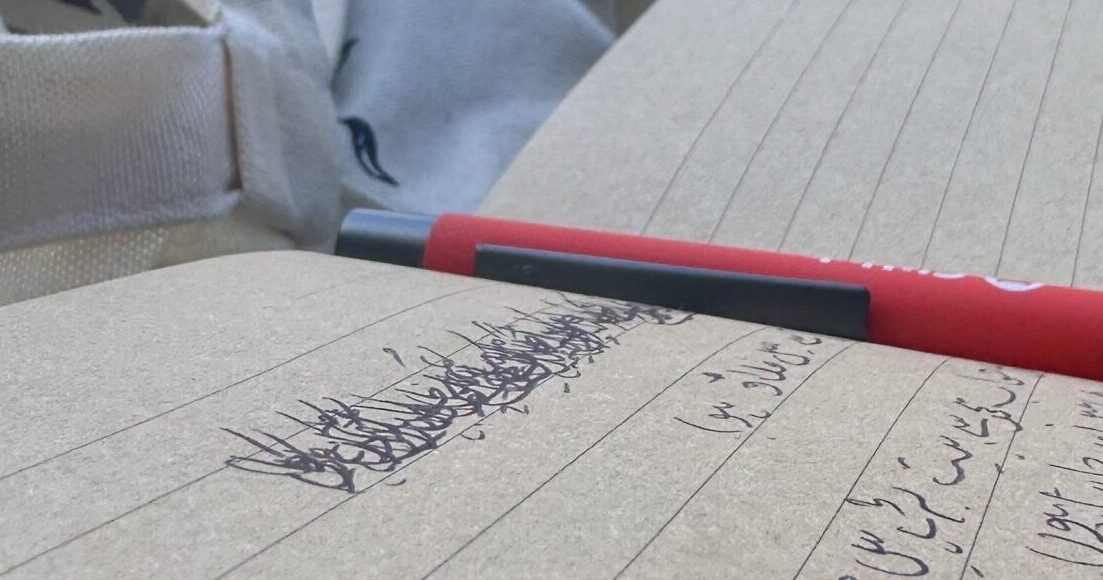
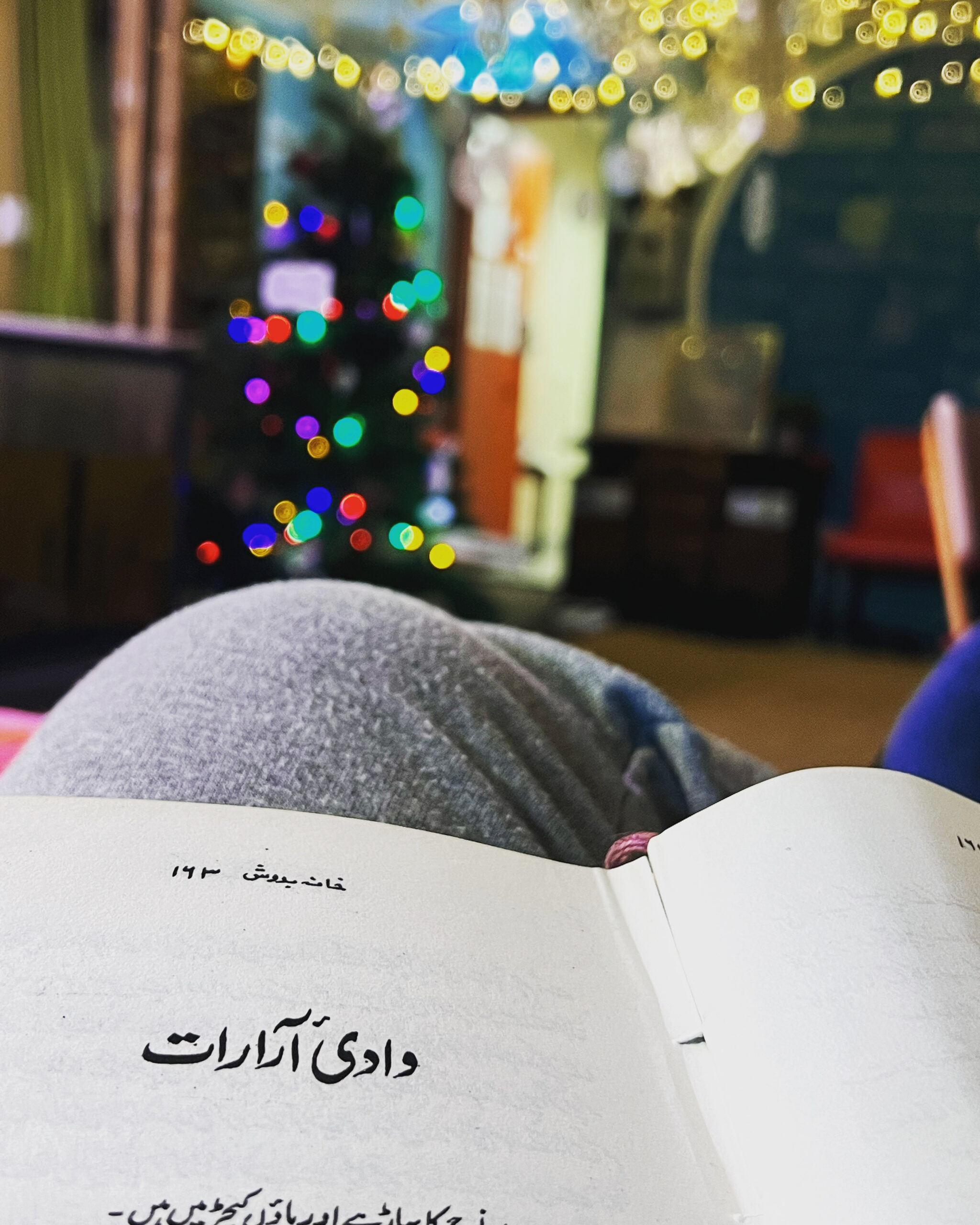
A while later, we were in the lobby — me reading Khana Badosh by Mustansar Hussain Tarrar, someone strumming a guitar, another sketching.
The night had settled into that soft hostel quiet when he appeared again and sat down among us, wordless this time.
We used the lobby computer to type a question:
Where did you go?
He read it and typed back:
I don’t remember.
We tried again:
How did you come back?
Same answer — I don’t remember.
Without thinking, I wrote:
Who are you, and where is your family?
He stared at the screen for a long time.
Then, slowly, he typed:
I have no family. I have no friends. I am alone. Thanks for today.
And just like that, he stood up and left.
The screen glowed in the quiet lobby.
Everything slowed. The air felt heavier, quieter.
Something deep within me cracked open.
That day in 2022, it wasn’t only me following an addict.
It was two addicts crossing paths.
His addiction was obvious, frowned upon, easy to name.
Mine hid behind achievements and ambition.
Different shapes, same hunger.
The burnout didn’t arrive as an ending.
It arrived as a pause.
No plan.
Just strange towns, strange conversations,
and moments that made no sense on paper
but felt true in the body.
That night in Tartu was one of them.